Buy arzthaftpflicht.eu ?
We are moving the project
arzthaftpflicht.eu .
Are you interested in purchasing the domain
arzthaftpflicht.eu ?
domain@kv-gmbh.de · 0541-91531010
Buy arzthaftpflicht.eu ?
Does the malpractice insurance provide enough coverage?
The adequacy of malpractice insurance coverage depends on the specific needs and risks of the individual or organization. It is important to carefully assess the potential liabilities and risks involved in the practice or business and then determine the appropriate level of coverage. Factors such as the type of services provided, the size of the practice, and the location can all impact the necessary coverage. It is advisable to regularly review and update malpractice insurance coverage to ensure it remains adequate for the evolving needs of the practice or business. **
Can you switch from partial coverage to liability insurance?
Yes, you can switch from partial coverage to liability insurance. You can contact your insurance provider to make the switch, and they will adjust your policy accordingly. It's important to review your coverage needs and make sure liability insurance provides the level of protection you require before making the switch. Keep in mind that your premium may change based on the type of coverage you choose. **


Similar search terms for Selection
Top-Angebote
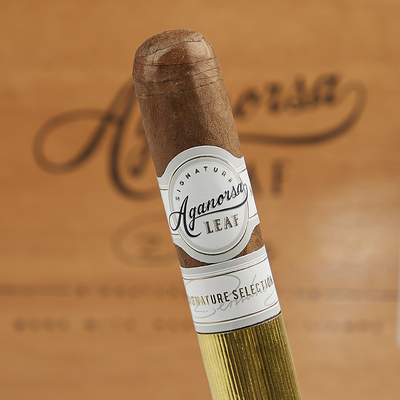
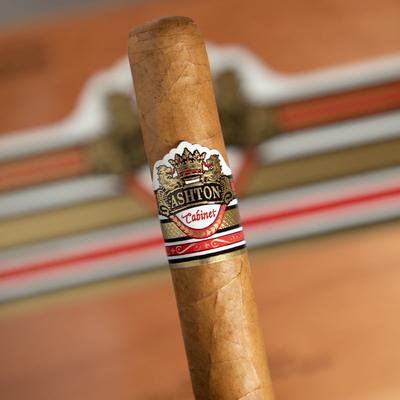
Products related to Selection:


-
What is the coverage amount of a horse liability insurance?
The coverage amount of a horse liability insurance policy can vary depending on the specific policy and the insurance provider. However, typical coverage amounts for horse liability insurance can range from $300,000 to $1 million or more. This coverage is designed to protect horse owners and equine businesses from legal liability in the event that their horse causes injury or property damage to a third party. It's important for horse owners to carefully review their insurance policy to understand the specific coverage limits and any exclusions that may apply. **
-
Is the selection of African elephants there stabilizing selection and directional selection?
The selection of African elephants can be considered stabilizing selection. Stabilizing selection occurs when the average phenotype is favored, and extreme phenotypes are selected against. In the case of African elephants, traits such as tusk size and body size may be under stabilizing selection, as individuals with average-sized tusks and bodies are more likely to survive and reproduce. On the other hand, directional selection may also be at play in certain traits of African elephants. Directional selection occurs when one extreme phenotype is favored over the other, leading to a shift in the average phenotype over time. For example, if there is increased poaching pressure on elephants with larger tusks, this could lead to directional selection favoring individuals with smaller tusks. Overall, the selection of African elephants likely involves a combination of stabilizing and directional selection, depending on the specific traits and environmental pressures at play. **
-
Is the Bundeswehr selection test an impossible selection process?
The Bundeswehr selection test is not an impossible selection process, but it is certainly challenging. The test is designed to assess a candidate's physical fitness, mental aptitude, and leadership potential. While it may be difficult, it is not impossible for candidates to pass the selection test with proper preparation and determination. The test is meant to identify individuals who are capable of meeting the demands of serving in the German armed forces, and those who successfully pass the test demonstrate their readiness for the role. **
-
Is compensation available for medical malpractice?
Yes, compensation is available for medical malpractice through medical malpractice insurance. When a healthcare provider is found to be negligent in providing medical care, resulting in harm to a patient, the patient can file a medical malpractice lawsuit to seek compensation for damages such as medical expenses, lost wages, and pain and suffering. The amount of compensation awarded will vary depending on the severity of the malpractice and the resulting harm to the patient. **

What is selection?
Selection is the process by which certain traits or characteristics become more common in a population over time due to their advantageous nature. It occurs through the differential survival and reproduction of individuals with these traits, leading to the passing on of these advantageous traits to future generations. Selection can be natural, where environmental factors determine which traits are favored, or artificial, where humans intentionally breed individuals with desired traits. Overall, selection plays a crucial role in shaping the genetic makeup of populations and driving evolution. **
What are the differences between natural selection and artificial selection?
Natural selection is the process by which organisms better adapted to their environment tend to survive and reproduce more successfully, leading to the evolution of species over time. On the other hand, artificial selection is the process by which humans intentionally select and breed organisms with specific traits to produce offspring with desired characteristics. While natural selection occurs in nature without human intervention, artificial selection is driven by human manipulation and breeding practices. Additionally, natural selection is a gradual process that occurs over generations, while artificial selection can produce rapid changes in traits within a few generations. **
Top-Angebote
Products related to Selection:
-
Does the malpractice insurance provide enough coverage?
The adequacy of malpractice insurance coverage depends on the specific needs and risks of the individual or organization. It is important to carefully assess the potential liabilities and risks involved in the practice or business and then determine the appropriate level of coverage. Factors such as the type of services provided, the size of the practice, and the location can all impact the necessary coverage. It is advisable to regularly review and update malpractice insurance coverage to ensure it remains adequate for the evolving needs of the practice or business. **
-
Can you switch from partial coverage to liability insurance?
Yes, you can switch from partial coverage to liability insurance. You can contact your insurance provider to make the switch, and they will adjust your policy accordingly. It's important to review your coverage needs and make sure liability insurance provides the level of protection you require before making the switch. Keep in mind that your premium may change based on the type of coverage you choose. **
-
What is the coverage amount of a horse liability insurance?
The coverage amount of a horse liability insurance policy can vary depending on the specific policy and the insurance provider. However, typical coverage amounts for horse liability insurance can range from $300,000 to $1 million or more. This coverage is designed to protect horse owners and equine businesses from legal liability in the event that their horse causes injury or property damage to a third party. It's important for horse owners to carefully review their insurance policy to understand the specific coverage limits and any exclusions that may apply. **
-
Is the selection of African elephants there stabilizing selection and directional selection?
The selection of African elephants can be considered stabilizing selection. Stabilizing selection occurs when the average phenotype is favored, and extreme phenotypes are selected against. In the case of African elephants, traits such as tusk size and body size may be under stabilizing selection, as individuals with average-sized tusks and bodies are more likely to survive and reproduce. On the other hand, directional selection may also be at play in certain traits of African elephants. Directional selection occurs when one extreme phenotype is favored over the other, leading to a shift in the average phenotype over time. For example, if there is increased poaching pressure on elephants with larger tusks, this could lead to directional selection favoring individuals with smaller tusks. Overall, the selection of African elephants likely involves a combination of stabilizing and directional selection, depending on the specific traits and environmental pressures at play. **
Similar search terms for Selection
-
Is the Bundeswehr selection test an impossible selection process?
The Bundeswehr selection test is not an impossible selection process, but it is certainly challenging. The test is designed to assess a candidate's physical fitness, mental aptitude, and leadership potential. While it may be difficult, it is not impossible for candidates to pass the selection test with proper preparation and determination. The test is meant to identify individuals who are capable of meeting the demands of serving in the German armed forces, and those who successfully pass the test demonstrate their readiness for the role. **
-
Is compensation available for medical malpractice?
Yes, compensation is available for medical malpractice through medical malpractice insurance. When a healthcare provider is found to be negligent in providing medical care, resulting in harm to a patient, the patient can file a medical malpractice lawsuit to seek compensation for damages such as medical expenses, lost wages, and pain and suffering. The amount of compensation awarded will vary depending on the severity of the malpractice and the resulting harm to the patient. **
-
What is selection?
Selection is the process by which certain traits or characteristics become more common in a population over time due to their advantageous nature. It occurs through the differential survival and reproduction of individuals with these traits, leading to the passing on of these advantageous traits to future generations. Selection can be natural, where environmental factors determine which traits are favored, or artificial, where humans intentionally breed individuals with desired traits. Overall, selection plays a crucial role in shaping the genetic makeup of populations and driving evolution. **
-
What are the differences between natural selection and artificial selection?
Natural selection is the process by which organisms better adapted to their environment tend to survive and reproduce more successfully, leading to the evolution of species over time. On the other hand, artificial selection is the process by which humans intentionally select and breed organisms with specific traits to produce offspring with desired characteristics. While natural selection occurs in nature without human intervention, artificial selection is driven by human manipulation and breeding practices. Additionally, natural selection is a gradual process that occurs over generations, while artificial selection can produce rapid changes in traits within a few generations. **
* All prices are inclusive of VAT and, if applicable, plus shipping costs. The offer information is based on the details provided by the respective shop and is updated through automated processes. Real-time updates do not occur, so deviations can occur in individual cases. ** Note: Parts of this content were created by AI.