Buy arzthaftpflicht.eu ?
We are moving the project
arzthaftpflicht.eu .
Are you interested in purchasing the domain
arzthaftpflicht.eu ?
domain@kv-gmbh.de · 0541-91531010
Buy arzthaftpflicht.eu ?
Does the malpractice insurance provide enough coverage?
The adequacy of malpractice insurance coverage depends on the specific needs and risks of the individual or organization. It is important to carefully assess the potential liabilities and risks involved in the practice or business and then determine the appropriate level of coverage. Factors such as the type of services provided, the size of the practice, and the location can all impact the necessary coverage. It is advisable to regularly review and update malpractice insurance coverage to ensure it remains adequate for the evolving needs of the practice or business. **
How can one change their self-concept?
One can change their self-concept by actively challenging and changing their negative beliefs about themselves. This can be done through self-reflection, seeking therapy or counseling, and practicing self-compassion and self-acceptance. Engaging in activities that promote personal growth and self-improvement, such as learning new skills or pursuing hobbies, can also help in changing one's self-concept. Surrounding oneself with supportive and positive people who uplift and encourage them can also contribute to a more positive self-concept. **


Similar search terms for Self-concept
Top-Angebote
Products related to Self-concept:


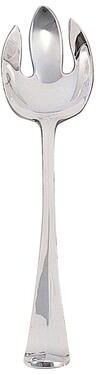
-
What is meant by self-concept in the workplace?
Self-concept in the workplace refers to how individuals perceive themselves in relation to their job, colleagues, and overall work environment. It includes their beliefs, values, skills, and attitudes that shape their identity and behavior at work. A positive self-concept can lead to higher job satisfaction, motivation, and performance, while a negative self-concept may result in lower confidence, job dissatisfaction, and decreased productivity. Developing a strong self-concept in the workplace involves self-awareness, self-acceptance, and continuous self-improvement. **
-
Can you explain the concept of strict liability?
Strict liability is a legal concept that holds a party responsible for their actions regardless of their intent or level of care. In cases of strict liability, the focus is on the act itself rather than the state of mind of the person committing the act. This means that if harm or damage occurs as a result of the activity, the party engaging in the activity will be held liable, even if they took all possible precautions to prevent the harm. Strict liability is often applied in cases involving dangerous activities or products where the risk of harm is high. **
-
What is the self-concept in the psychology of Carl Rogers?
In the psychology of Carl Rogers, the self-concept is a central concept that refers to the individual's perception and understanding of themselves. It includes the beliefs, attitudes, and values that a person holds about themselves, as well as their understanding of their abilities, characteristics, and potential. Rogers believed that the self-concept is formed through interactions with others and is influenced by the feedback and experiences that individuals receive from their social environment. He also emphasized the importance of congruence between the self-concept and the actual experiences and feelings of the individual, as well as the role of unconditional positive regard in fostering a healthy and positive self-concept. **
-
Can you switch from partial coverage to liability insurance?
Yes, you can switch from partial coverage to liability insurance. You can contact your insurance provider to make the switch, and they will adjust your policy accordingly. It's important to review your coverage needs and make sure liability insurance provides the level of protection you require before making the switch. Keep in mind that your premium may change based on the type of coverage you choose. **


What is the difference between a professional self-concept and professional principles?
A professional self-concept refers to how an individual perceives themselves in their professional role, including their skills, abilities, values, and beliefs about their work. It is a reflection of one's identity and understanding of their role in the workplace. On the other hand, professional principles are the ethical guidelines and standards that govern a person's behavior and decision-making in their professional life. These principles guide individuals in their interactions with colleagues, clients, and the broader community, ensuring that they act with integrity and uphold professional standards. In essence, while a professional self-concept is about one's self-perception in the workplace, professional principles are the moral compass that guides one's actions and decisions. **
Can you explain the concept of liability in rem?
Liability in rem refers to a legal concept where a person is held responsible for a debt or obligation based on their ownership of a specific asset or property, rather than their personal liability. This means that the asset itself is considered liable for the debt, and can be used to satisfy the obligation. In other words, the liability is attached to the property, not the individual. This concept is often used in cases involving mortgages or other secured loans where the property serves as collateral for the debt. **
Top-Angebote
Products related to Self-concept:
-
Elegance Heim Concept Sugar TongsThese tongs are constructed with stainless steel and features a beautiful silver-plated finish.Serve afternoon tea with this sugar tongs by Heim Concept Silver to match the Heim Concept of the tradition of serving tea.22,41 $*Shipping: 0,00 $Secure redirect to the provider
-
Does the malpractice insurance provide enough coverage?
The adequacy of malpractice insurance coverage depends on the specific needs and risks of the individual or organization. It is important to carefully assess the potential liabilities and risks involved in the practice or business and then determine the appropriate level of coverage. Factors such as the type of services provided, the size of the practice, and the location can all impact the necessary coverage. It is advisable to regularly review and update malpractice insurance coverage to ensure it remains adequate for the evolving needs of the practice or business. **
-
How can one change their self-concept?
One can change their self-concept by actively challenging and changing their negative beliefs about themselves. This can be done through self-reflection, seeking therapy or counseling, and practicing self-compassion and self-acceptance. Engaging in activities that promote personal growth and self-improvement, such as learning new skills or pursuing hobbies, can also help in changing one's self-concept. Surrounding oneself with supportive and positive people who uplift and encourage them can also contribute to a more positive self-concept. **
-
What is meant by self-concept in the workplace?
Self-concept in the workplace refers to how individuals perceive themselves in relation to their job, colleagues, and overall work environment. It includes their beliefs, values, skills, and attitudes that shape their identity and behavior at work. A positive self-concept can lead to higher job satisfaction, motivation, and performance, while a negative self-concept may result in lower confidence, job dissatisfaction, and decreased productivity. Developing a strong self-concept in the workplace involves self-awareness, self-acceptance, and continuous self-improvement. **
-
Can you explain the concept of strict liability?
Strict liability is a legal concept that holds a party responsible for their actions regardless of their intent or level of care. In cases of strict liability, the focus is on the act itself rather than the state of mind of the person committing the act. This means that if harm or damage occurs as a result of the activity, the party engaging in the activity will be held liable, even if they took all possible precautions to prevent the harm. Strict liability is often applied in cases involving dangerous activities or products where the risk of harm is high. **
Similar search terms for Self-concept
-
What is the self-concept in the psychology of Carl Rogers?
In the psychology of Carl Rogers, the self-concept is a central concept that refers to the individual's perception and understanding of themselves. It includes the beliefs, attitudes, and values that a person holds about themselves, as well as their understanding of their abilities, characteristics, and potential. Rogers believed that the self-concept is formed through interactions with others and is influenced by the feedback and experiences that individuals receive from their social environment. He also emphasized the importance of congruence between the self-concept and the actual experiences and feelings of the individual, as well as the role of unconditional positive regard in fostering a healthy and positive self-concept. **
-
Can you switch from partial coverage to liability insurance?
Yes, you can switch from partial coverage to liability insurance. You can contact your insurance provider to make the switch, and they will adjust your policy accordingly. It's important to review your coverage needs and make sure liability insurance provides the level of protection you require before making the switch. Keep in mind that your premium may change based on the type of coverage you choose. **
-
What is the difference between a professional self-concept and professional principles?
A professional self-concept refers to how an individual perceives themselves in their professional role, including their skills, abilities, values, and beliefs about their work. It is a reflection of one's identity and understanding of their role in the workplace. On the other hand, professional principles are the ethical guidelines and standards that govern a person's behavior and decision-making in their professional life. These principles guide individuals in their interactions with colleagues, clients, and the broader community, ensuring that they act with integrity and uphold professional standards. In essence, while a professional self-concept is about one's self-perception in the workplace, professional principles are the moral compass that guides one's actions and decisions. **
-
Can you explain the concept of liability in rem?
Liability in rem refers to a legal concept where a person is held responsible for a debt or obligation based on their ownership of a specific asset or property, rather than their personal liability. This means that the asset itself is considered liable for the debt, and can be used to satisfy the obligation. In other words, the liability is attached to the property, not the individual. This concept is often used in cases involving mortgages or other secured loans where the property serves as collateral for the debt. **
* All prices are inclusive of VAT and, if applicable, plus shipping costs. The offer information is based on the details provided by the respective shop and is updated through automated processes. Real-time updates do not occur, so deviations can occur in individual cases. ** Note: Parts of this content were created by AI.