Buy arzthaftpflicht.eu ?
We are moving the project
arzthaftpflicht.eu .
Are you interested in purchasing the domain
arzthaftpflicht.eu ?
domain@kv-gmbh.de · 0541-91531010
Buy arzthaftpflicht.eu ?
Does the malpractice insurance provide enough coverage?
The adequacy of malpractice insurance coverage depends on the specific needs and risks of the individual or organization. It is important to carefully assess the potential liabilities and risks involved in the practice or business and then determine the appropriate level of coverage. Factors such as the type of services provided, the size of the practice, and the location can all impact the necessary coverage. It is advisable to regularly review and update malpractice insurance coverage to ensure it remains adequate for the evolving needs of the practice or business. **
What are conjunctional clauses, relative clauses, demonstrative clauses, and infinitive clauses?
Conjunctional clauses are dependent clauses that are introduced by a conjunction, such as "because," "although," or "while." They provide additional information about the main clause in a sentence. Relative clauses are also dependent clauses that provide more information about a noun in the main clause. They are introduced by relative pronouns like "who," "which," or "that." Demonstrative clauses are dependent clauses that function as adjectives and provide more information about a noun in the main clause. They are introduced by demonstrative pronouns like "this," "that," "these," or "those." Infinitive clauses are dependent clauses that are formed with an infinitive verb (to + base form of the verb). They can function as nouns, adjectives, or adverbs in a sentence. **


Similar search terms for Clauses
Top-Angebote
Products related to Clauses:
-
AND Medical Logo A&D Medical XL Cuff Blood Pressure Monitor""" A&D Medical Blood Pressure Monitor with XL Cuff The only home blood pressure monitor designed for people with larger arms and to provide accurate readings. This advanced device features a large cuff that ensures an optimal and secure fit during..."129,00 $*Shipping: 0,00 $Secure redirect to the provider
-
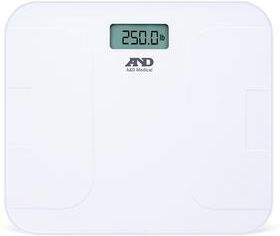
AND Medical Logo A&D Medical PREMIUM+ Wireless Wide Base Scale""" A&D Medical PREMIUM+ Wireless Wide Base Scale Introducing the PREMIUM+ Wireless Wide Base Weight Scale – your ultimate solution for stability, support, and precise weight measurement. With an impressive weight capacity of up to 550 pounds, this..."134,00 $*Shipping: 0,00 $Secure redirect to the provider
-
AND Medical Logo A&D Medical Automated Office Blood Pressure (AOBP) Monitor""" A&D Medical Automated Office Blood Pressure (AOBP) Monitor Introducing the A&D Medical Professional Office Blood Pressure Monitor with AOBP – the ultimate clinical-grade solution for precise and convenient blood pressure measurements in..."515,00 $*Shipping: 0,00 $Secure redirect to the provider
-
Uplift Essentials Silicone Medical Gel Corn Removal Patches Silicone Medical Gel Corn Removal PatchesExperience a new standard of foot comfort with a solution designed for gentle yet effective restoration. These silicone foot corn removal patches utilize an advanced medical gel core that works to soften stubborn buildup while providing a...34,97 $*Shipping: 0,00 $Secure redirect to the provider



-
Are conjunctive clauses always adverbial clauses?
No, conjunctive clauses are not always adverbial clauses. While adverbial clauses are a type of conjunctive clause that function as adverbs to modify verbs, adjectives, or other adverbs, there are also other types of conjunctive clauses. For example, there are conjunctive clauses that function as noun clauses, such as in "I know that you are busy." In this sentence, "that you are busy" is a conjunctive clause functioning as a noun clause, not an adverbial clause. Therefore, conjunctive clauses can serve various grammatical functions beyond just adverbial clauses. **
-
What are relative clauses and conjunctional clauses?
Relative clauses are clauses that provide additional information about a noun in the main clause. They are introduced by relative pronouns such as "who," "which," "that," and "whom." For example, in the sentence "The book that I read is very interesting," the relative clause "that I read" provides more information about the noun "book." Conjunctional clauses, on the other hand, are clauses that are connected to the main clause by conjunctions such as "and," "but," "or," "if," and "because." They can express relationships such as addition, contrast, alternative, condition, and cause. For example, in the sentence "I will go to the park if the weather is nice," the conjunctional clause "if the weather is nice" expresses a condition for the action in the main clause. **
-
What are the French conditional clauses (si-clauses)?
French conditional clauses, also known as si-clauses, are used to express a hypothetical situation and its potential outcome. They consist of two parts: the si clause (if clause), which describes the condition, and the main clause, which describes the potential result. The si clause is typically formed using the conjunction "si" followed by the imperfect tense or the pluperfect tense, while the main clause is formed using the conditional tense. These clauses are commonly used to talk about what would happen in certain situations if a specific condition were met. **
-
How do I transform subordinate clauses into main clauses?
To transform a subordinate clause into a main clause, you need to make sure that the clause can stand alone as a complete sentence. This means adding a subject and a verb to the clause if it doesn't already have them. You may also need to adjust the word order or add any necessary punctuation. Once these changes are made, the subordinate clause will become a main clause that can function independently within a sentence. **


How can main clauses and subordinate clauses be recognized?
Main clauses can be recognized by their ability to stand alone as complete sentences, containing a subject and a predicate. Subordinate clauses, on the other hand, cannot stand alone as complete sentences and are dependent on the main clause for their meaning. They often begin with subordinating conjunctions such as "because," "although," "while," or "if." Additionally, subordinate clauses often function as adverbial, adjectival, or nominal clauses, providing additional information about the main clause. **
How can one recognize main clauses and subordinate clauses?
Main clauses can stand alone as complete sentences, while subordinate clauses cannot. Subordinate clauses often begin with subordinating conjunctions such as "although," "because," "if," "when," or "while." They also often contain a subject and a verb, but they do not express a complete thought on their own. Main clauses, on the other hand, express a complete thought and can function as independent sentences. By identifying these characteristics, one can recognize main and subordinate clauses in a sentence. **
Top-Angebote
Products related to Clauses:
-
Enesco/Dept 56 More Letters for the Clauses Clothtique Red , RedEvery year, Mr. and Mrs. Claus are eager to receive and read More Letters for the Clauses. The red mailbox has holiday accents including holly leaves, red berries, and a red bow; it is filled with wrapped packages and rolled-up letters. This happy...149,99 $*Shipping: 20,95 $Secure redirect to the provider
-
Enesco/Dept 56 More Letters for the Clauses African American Clothtique Red , RedEvery year, Mr. and Mrs. Claus are eager to receive and read More Letters for the Clauses. The red mailbox has holiday accents including holly leaves, red berries, and a red bow; it is filled with wrapped packages and rolled-up letters. This happy,...149,99 $*Shipping: 20,95 $Secure redirect to the provider
-
AND Medical Logo A&D Medical XL Cuff Blood Pressure Monitor""" A&D Medical Blood Pressure Monitor with XL Cuff The only home blood pressure monitor designed for people with larger arms and to provide accurate readings. This advanced device features a large cuff that ensures an optimal and secure fit during..."129,00 $*Shipping: 0,00 $Secure redirect to the provider
-
AND Medical Logo A&D Medical PREMIUM+ Wireless Wide Base Scale""" A&D Medical PREMIUM+ Wireless Wide Base Scale Introducing the PREMIUM+ Wireless Wide Base Weight Scale – your ultimate solution for stability, support, and precise weight measurement. With an impressive weight capacity of up to 550 pounds, this..."134,00 $*Shipping: 0,00 $Secure redirect to the provider
-
Does the malpractice insurance provide enough coverage?
The adequacy of malpractice insurance coverage depends on the specific needs and risks of the individual or organization. It is important to carefully assess the potential liabilities and risks involved in the practice or business and then determine the appropriate level of coverage. Factors such as the type of services provided, the size of the practice, and the location can all impact the necessary coverage. It is advisable to regularly review and update malpractice insurance coverage to ensure it remains adequate for the evolving needs of the practice or business. **
-
What are conjunctional clauses, relative clauses, demonstrative clauses, and infinitive clauses?
Conjunctional clauses are dependent clauses that are introduced by a conjunction, such as "because," "although," or "while." They provide additional information about the main clause in a sentence. Relative clauses are also dependent clauses that provide more information about a noun in the main clause. They are introduced by relative pronouns like "who," "which," or "that." Demonstrative clauses are dependent clauses that function as adjectives and provide more information about a noun in the main clause. They are introduced by demonstrative pronouns like "this," "that," "these," or "those." Infinitive clauses are dependent clauses that are formed with an infinitive verb (to + base form of the verb). They can function as nouns, adjectives, or adverbs in a sentence. **
-
Are conjunctive clauses always adverbial clauses?
No, conjunctive clauses are not always adverbial clauses. While adverbial clauses are a type of conjunctive clause that function as adverbs to modify verbs, adjectives, or other adverbs, there are also other types of conjunctive clauses. For example, there are conjunctive clauses that function as noun clauses, such as in "I know that you are busy." In this sentence, "that you are busy" is a conjunctive clause functioning as a noun clause, not an adverbial clause. Therefore, conjunctive clauses can serve various grammatical functions beyond just adverbial clauses. **
-
What are relative clauses and conjunctional clauses?
Relative clauses are clauses that provide additional information about a noun in the main clause. They are introduced by relative pronouns such as "who," "which," "that," and "whom." For example, in the sentence "The book that I read is very interesting," the relative clause "that I read" provides more information about the noun "book." Conjunctional clauses, on the other hand, are clauses that are connected to the main clause by conjunctions such as "and," "but," "or," "if," and "because." They can express relationships such as addition, contrast, alternative, condition, and cause. For example, in the sentence "I will go to the park if the weather is nice," the conjunctional clause "if the weather is nice" expresses a condition for the action in the main clause. **
Similar search terms for Clauses
-
AND Medical Logo A&D Medical Automated Office Blood Pressure (AOBP) Monitor""" A&D Medical Automated Office Blood Pressure (AOBP) Monitor Introducing the A&D Medical Professional Office Blood Pressure Monitor with AOBP – the ultimate clinical-grade solution for precise and convenient blood pressure measurements in..."515,00 $*Shipping: 0,00 $Secure redirect to the provider
-
Uplift Essentials Silicone Medical Gel Corn Removal Patches Silicone Medical Gel Corn Removal PatchesExperience a new standard of foot comfort with a solution designed for gentle yet effective restoration. These silicone foot corn removal patches utilize an advanced medical gel core that works to soften stubborn buildup while providing a...34,97 $*Shipping: 0,00 $Secure redirect to the provider
-
CounterArt "Insurance 4 Pack Absorbent Stone Coasters with Cork Backing 4"" Square Made in The USA Absorbent Wipes Clean"4 Pack Absorbent Stone Coasters with Protective Cork Backing 4” Square. Manufactured in the USA of absorbent stone to absorb excess condensation from beverages. Cork backing protects your surfaces from scratches and stains.30,49 $*Shipping: 0,00 $Secure redirect to the provider
-
Daily Deals Depot Cooling Face Sunscreen Mask With Full Coverage Sun Protection grayEnjoy every outdoor adventure without worrying about harsh sun exposure. This UV protection face mask1pcs is designed for outdoor enthusiasts, cyclists, beachgoers, and anyone who spends long hours under the sun. Featuring a comfortable 3D fit and...59,97 $*Shipping: 0,00 $Secure redirect to the provider
-
What are the French conditional clauses (si-clauses)?
French conditional clauses, also known as si-clauses, are used to express a hypothetical situation and its potential outcome. They consist of two parts: the si clause (if clause), which describes the condition, and the main clause, which describes the potential result. The si clause is typically formed using the conjunction "si" followed by the imperfect tense or the pluperfect tense, while the main clause is formed using the conditional tense. These clauses are commonly used to talk about what would happen in certain situations if a specific condition were met. **
-
How do I transform subordinate clauses into main clauses?
To transform a subordinate clause into a main clause, you need to make sure that the clause can stand alone as a complete sentence. This means adding a subject and a verb to the clause if it doesn't already have them. You may also need to adjust the word order or add any necessary punctuation. Once these changes are made, the subordinate clause will become a main clause that can function independently within a sentence. **
-
How can main clauses and subordinate clauses be recognized?
Main clauses can be recognized by their ability to stand alone as complete sentences, containing a subject and a predicate. Subordinate clauses, on the other hand, cannot stand alone as complete sentences and are dependent on the main clause for their meaning. They often begin with subordinating conjunctions such as "because," "although," "while," or "if." Additionally, subordinate clauses often function as adverbial, adjectival, or nominal clauses, providing additional information about the main clause. **
-
How can one recognize main clauses and subordinate clauses?
Main clauses can stand alone as complete sentences, while subordinate clauses cannot. Subordinate clauses often begin with subordinating conjunctions such as "although," "because," "if," "when," or "while." They also often contain a subject and a verb, but they do not express a complete thought on their own. Main clauses, on the other hand, express a complete thought and can function as independent sentences. By identifying these characteristics, one can recognize main and subordinate clauses in a sentence. **
* All prices are inclusive of VAT and, if applicable, plus shipping costs. The offer information is based on the details provided by the respective shop and is updated through automated processes. Real-time updates do not occur, so deviations can occur in individual cases. ** Note: Parts of this content were created by AI.